








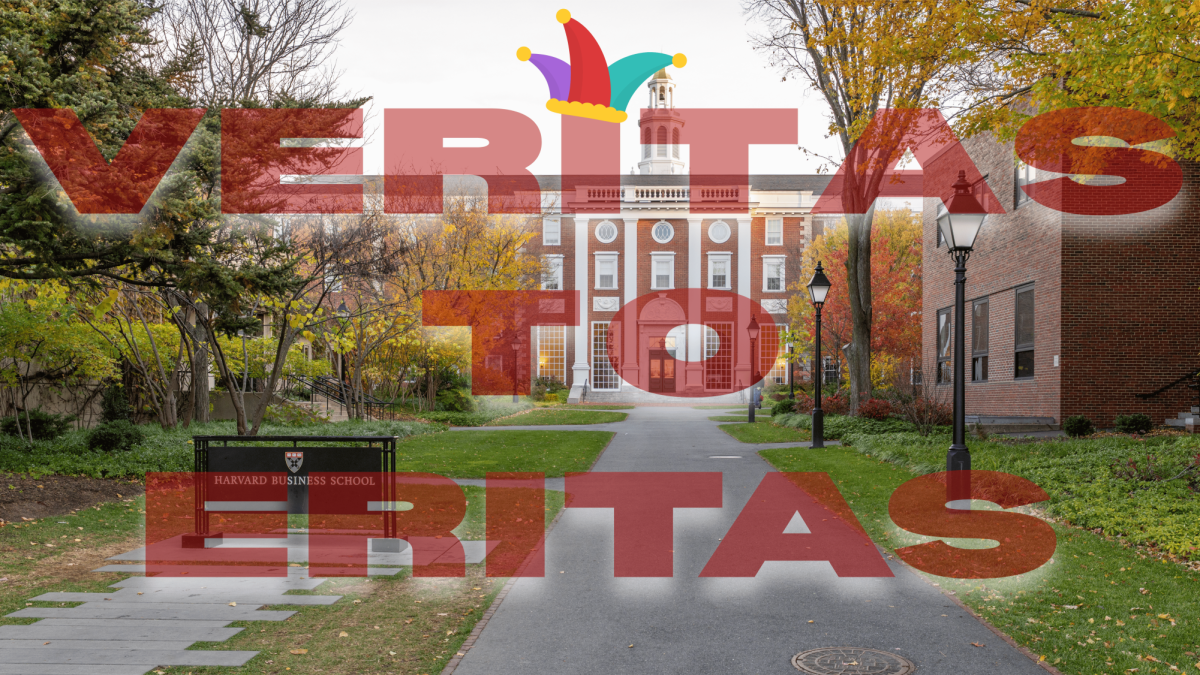
Cambridge, Massachusetts, broke news headlines across the northeastern United States on (date here). Harvard, a school renowned for its excellence, changed its motto. Reporters say the campus is undergoing a modernization as Harvard shifts its focus to fit its new motto. Shifting from Veritas, which means truth, to Eritas, which means “the first inspiration”.
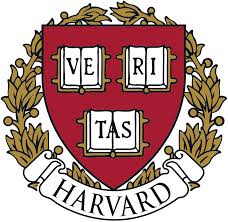
Harvard’s motto hasn’t always been the infamous Veritas. The Harvard seal, or shield, that everyone recognizes features a center bright escutcheon with open books spelling out the Latin “VERITAS”. Around the shield is a golden wreath with a banner spelling out “Harvard”. In 1643, Harvard used the motto Veritas, but it was changed years later in 1650. Harvard changed its motto to In Christi Gloriam, meaning “For the glory of Christ.” This motto stuck with the school for close to two centuries before the president brought it up at the time, Josiah Quincy III, in 1836. The school kept it for four years before changing again to Christo et Ecclesiae, which meant “For Christ in the Church” in 1847. It would take over three decades for it to be revived as a considerable motto. A poem, written by Oliver Wendell Holmes, the Professor of Medicine at the time, to persuade. Time had passed, from years to decades, decades to centuries, and it took over two centuries to solidify the motto, encouraged by Holmes’ persuasion.
In 2025, Veritas was living at the heart of Harvard, but as 2026 rolled around, Eritas takes the spotlight. Since the beginning, the student population at Harvard has become more diverse. When Harvard was founded, most, if not all, students were English, white, and from more prominent families that had clergy, magistrates, and merchants. In recent years, while there is still a dominant white population, other ethnicities have thrived in the educational environment. This newer community differs from the one established almost four centuries ago, the one that started Veritas. So, Eritas was the choice. Only a slight choice makes a large difference. Even though truth is a common virtue across many religions, it was chosen because of the large Christian population. Eritas does not have a religious base; it serves the purpose to create a motivation to students to be the first, to be trailblazers, and to make an impact, regardless of their upbringing and perspective.
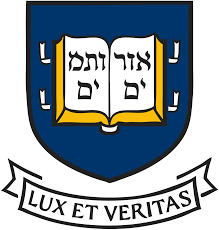
Some pushback has come from other schools and alumni like Yale University, which uses Lux et Veritas, or the University of Michigan, which uses Artes, Scientia, Veritas. Some Harvard alumni also resent the change, as the Veritas motto has a long history with the school and is deeply cemented in its history and culture.
Eritas can represent the world we live in today, and whether you think forward or backwards, you can read it in your own voice and guide yourself through the ever-changing world that we take part in. Even if we think differently about things, some interpret it forward and directly to see Eritas, some read into the word, the meaning, searching backward to see Satire. Either way, it doesn’t change the meaning; it changes our perspective.
