







After four years, Artemis II has been launched, heading around the Moon over the course of ten days. The rocket lost its engines and flew around the planet without any power, using only the Moon’s gravitational pull. The launch was highly successful, exceeding NASA’s expectations with an extremely smooth liftoff on their first attempt. The next mission, Artemis III, is planned to land on the Moon in 2028 for the first time in 56 years since December 11, 1972.
The 10-Day Mission Log
Day One: Artemis II was launched on April 1, 2026. The mission was successfully completed, and the astronauts entered the Earth’s orbit for 24 hours as they prepared for the journey ahead.
Day Two: The crew woke up to the song “Sleepyhead” and did a critical maneuver, which raised their orbit upwards after 43 seconds, preparing to leave the Earth’s orbit.
Day Three: After correcting the ship’s trajectory, the astronauts practiced medical procedures such as CPR, and continued their final preparations for the upcoming lunar flyby.
Day Four: The crew crossed the halfway point of their journey, the crew transitioned their spacecraft’s altitude reference from Earth to the Moon. They spent the “day” demonstrating how to pilot in space, troubleshooting a minor problem with the wastewater lines, and taking in spectacular views of both the Earth and Moon.

Day Five: The astronauts officially entered the Moon’s orbit, and Orion Crew Survival System (OCSS) spacesuits. They also continued to prepare for their lunar flyby that was to follow the next day.
Day Six: The crew achieved a historic lunar flyby, breaking the human spaceflight distance record by reaching 252,760 miles from Earth (surpassing the old record 248,655 miles). As they slipped behind the far side of the Moon, they experienced a tense but expected 40-minute communications blackout. During they observed new lunar features, including the integrity and Carol craters, as well as distinct impact flashes
Day Seven: The Artemis II crew began their journey home, executing the first return trajectory correction burn to break free of the moon’s gravitational pull. Heading closer to Earth, they continued to check in with the NASA space station.
Day Eight: The crew solely focused on reentry to Earth, including conducting a manual piloting demonstration of the Orion spacecraft and performing daily exercises to combat muscle loss, ensuring they could walk comfortably in Earth’s gravity. They tested building a makeshift shelter built from cabin supplies that would simulate protection against high radiation events (like solar flares). They also started preparations for the splashdown on April 10th and cleaned up the cabin.
Day Nine: The crew executed a critical second trajectory burn to align themselves towards their destination on Earth. They also had a brief communication glitch where they lost signal two hours before the trajectory burn. Thankfully, they regained their communication quickly.
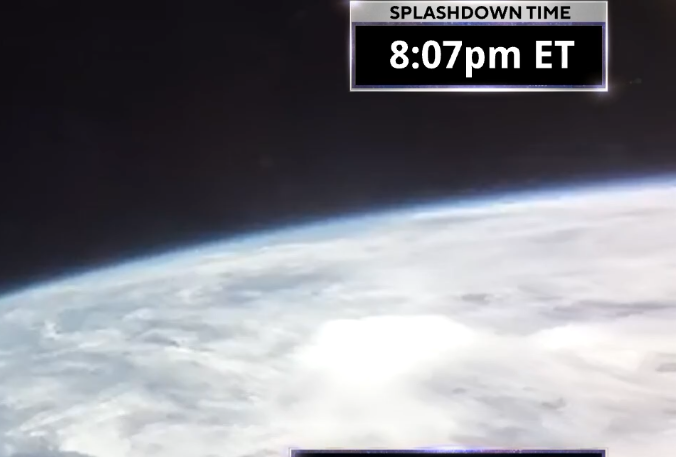
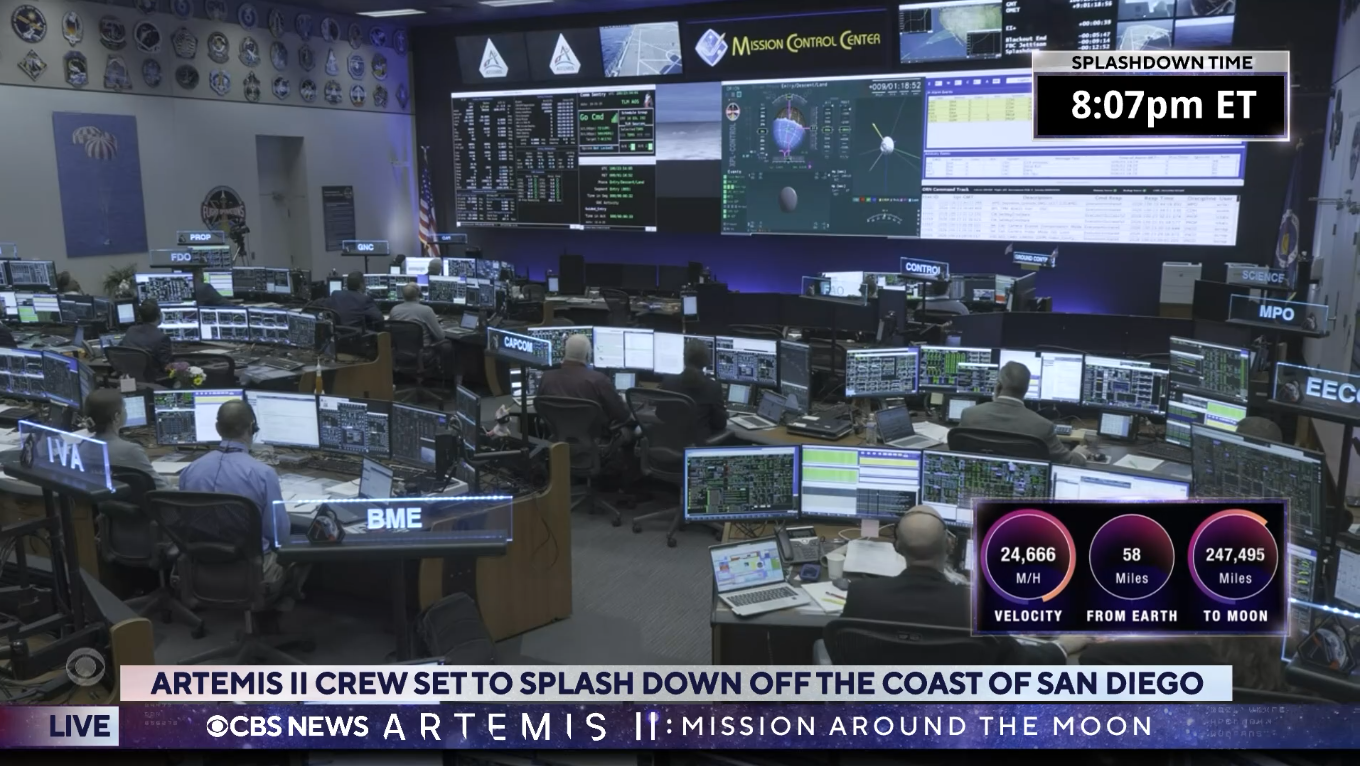
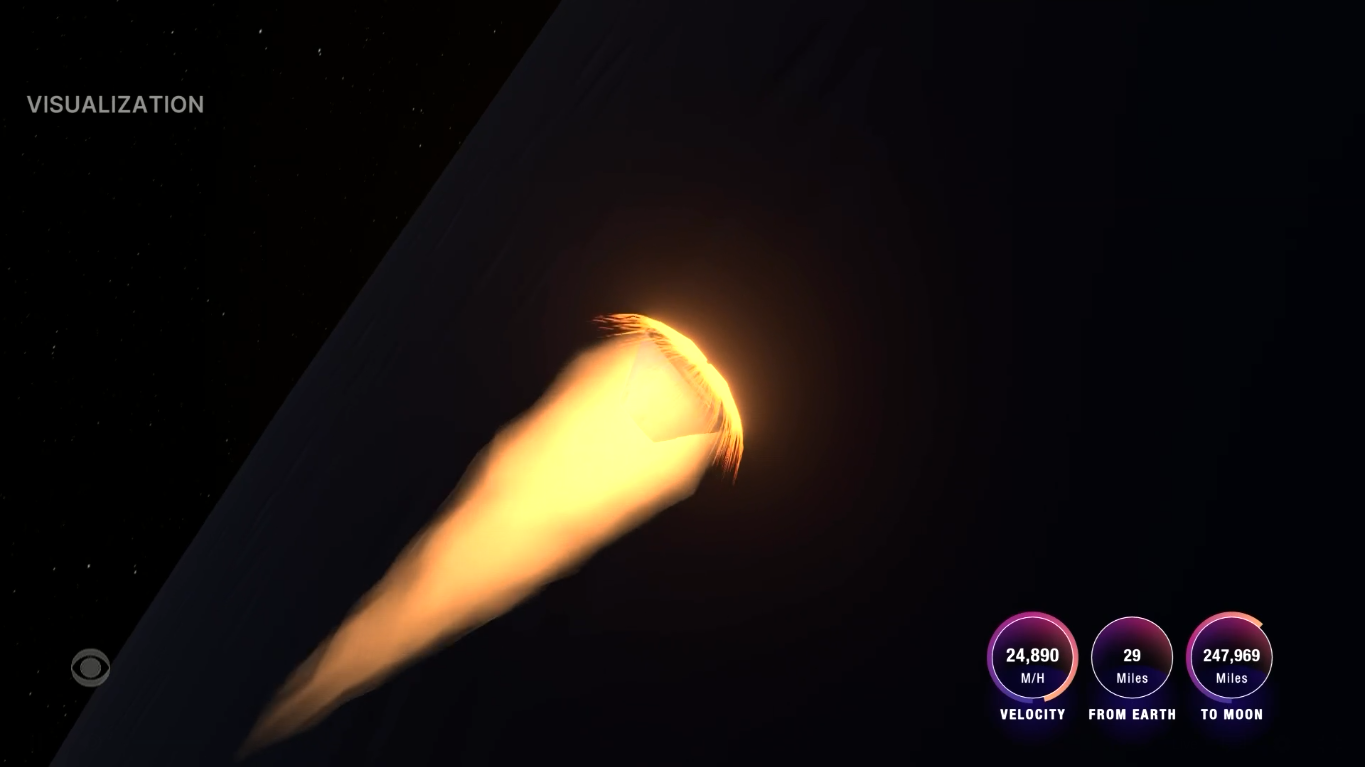
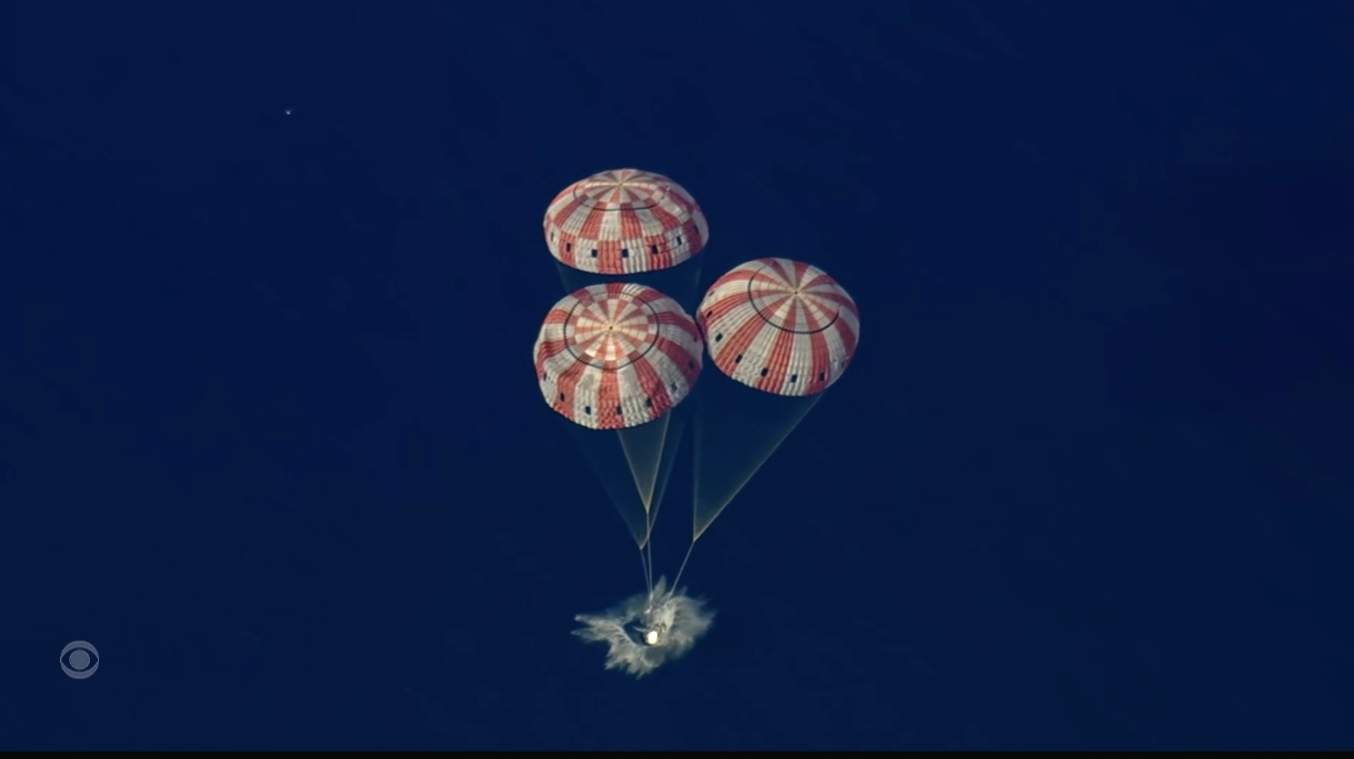
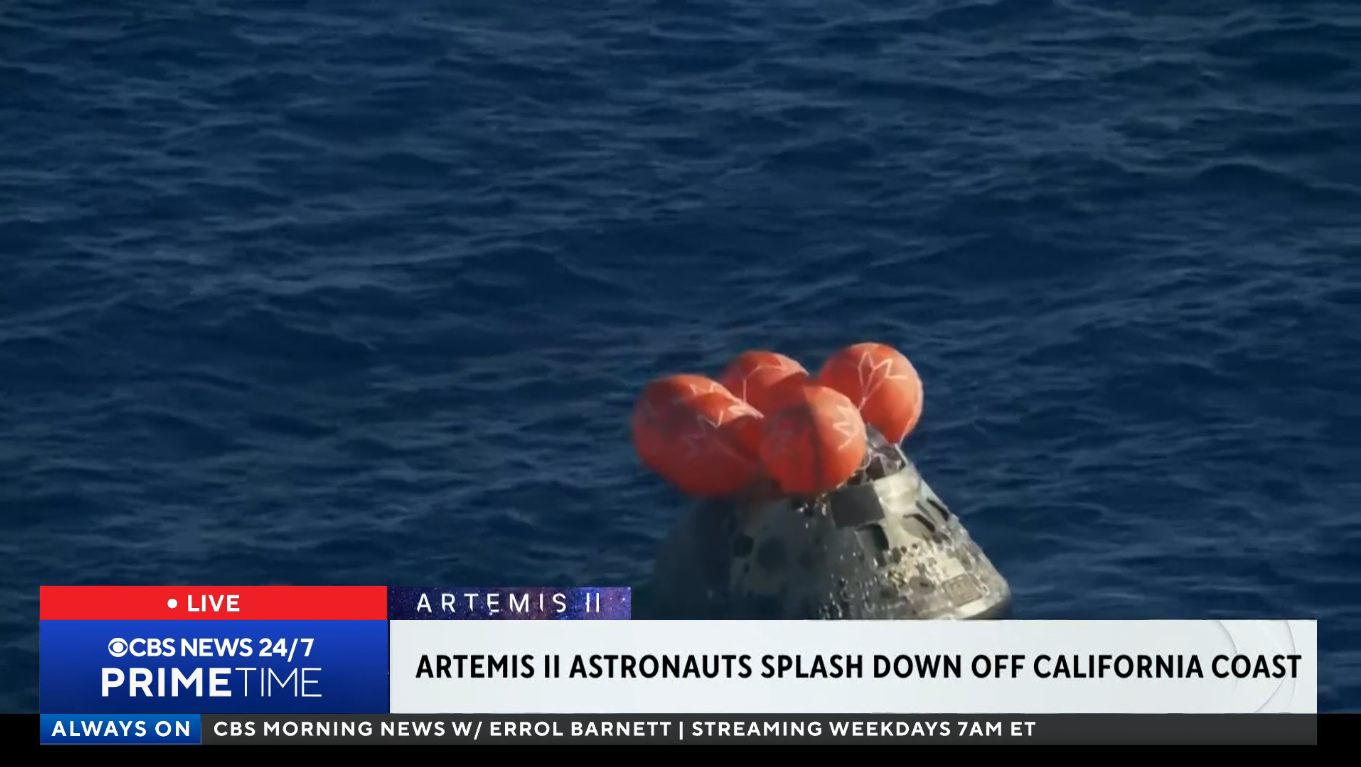
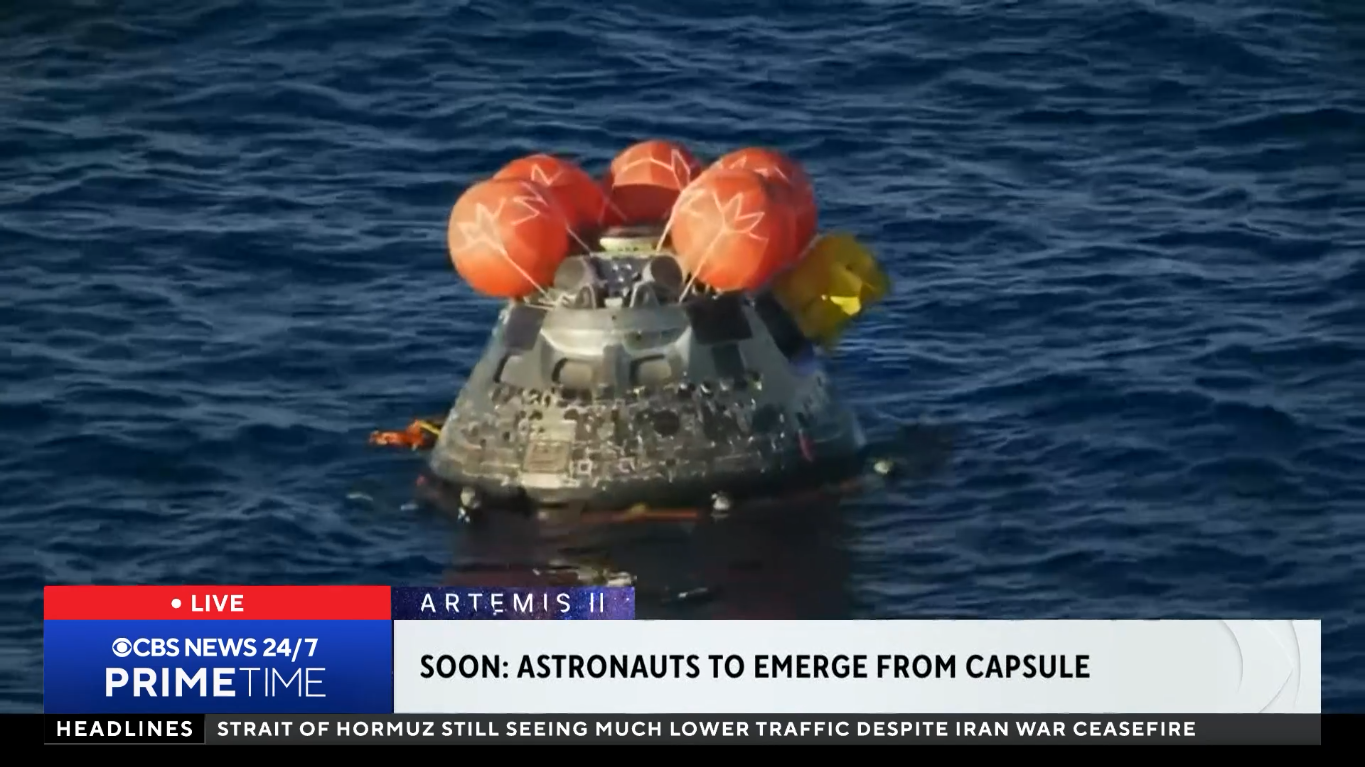
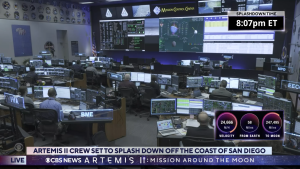
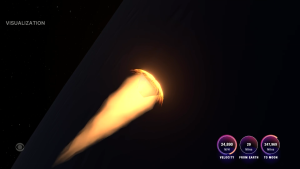
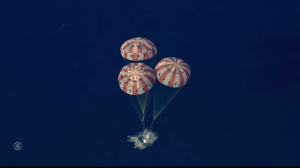
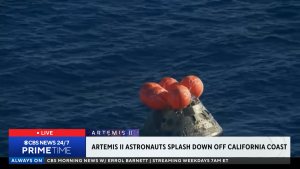
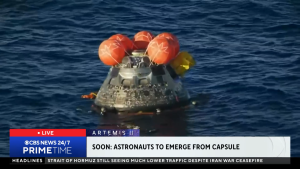
Day Ten: The crew successfully finished their launch with a splashdown in the Pacific Ocean off the coast of San Diego at 8:07. However, the mission wasn’t over, the crew remained in the Orion capsule while they checked for harmful chemicals and had medical evaluations. Once cleared, a large inflatable raft- the ‘front porch’ was deployed. The astronauts were then strapped into harnesses so they could be hoisted into recovery helicopters which safely and quickly transport them back to dry land.